
A designer in a big scary world: stuff I wish someone had told me
I’ve always wanted to be a designer. Kinda. And if you’re looking for tips for new graphic designers that aren’t completely obvious, you’re in the right place, because I’m five years in and still figuring it out too.
Remember being in primary school when the teacher asks what you want to be when you grow up? My answers always ranged from artist, to zoo keeper, to a dragon slash wizard who lived a double life like Hannah Montana. That isn’t a lie. I wasted so many eyelash wishes, birthday candles and shooting stars on wanting to be a dragon. And here I am. Twenty five years old. Not a dragon.
Sorry, back to the point.
How I actually became a designer
I always knew I wanted to do something with art. The actual realisation that design was the thing came in high school, when I became the unofficial graphic designer for every class enterprise project going. Posters. Leaflets. Labels. PowerPoints. Prototypes. Blueprints. Did we have to do all of that? No. Did I do it anyway? Absolutely yes.
And then word got around, and I ended up making logos for other groups too. For free. Every single time. I was a freelancer without knowing what freelancing was, except somehow even worse, because I was the definition of working for free. I didn’t even ask them to buy me a cookie from the canteen. Hey guys, I know you’re reading this because I’m sending it to you. You all owe me one cookie. You know the one. The yellow and brown mix one.
The enterprise project incident
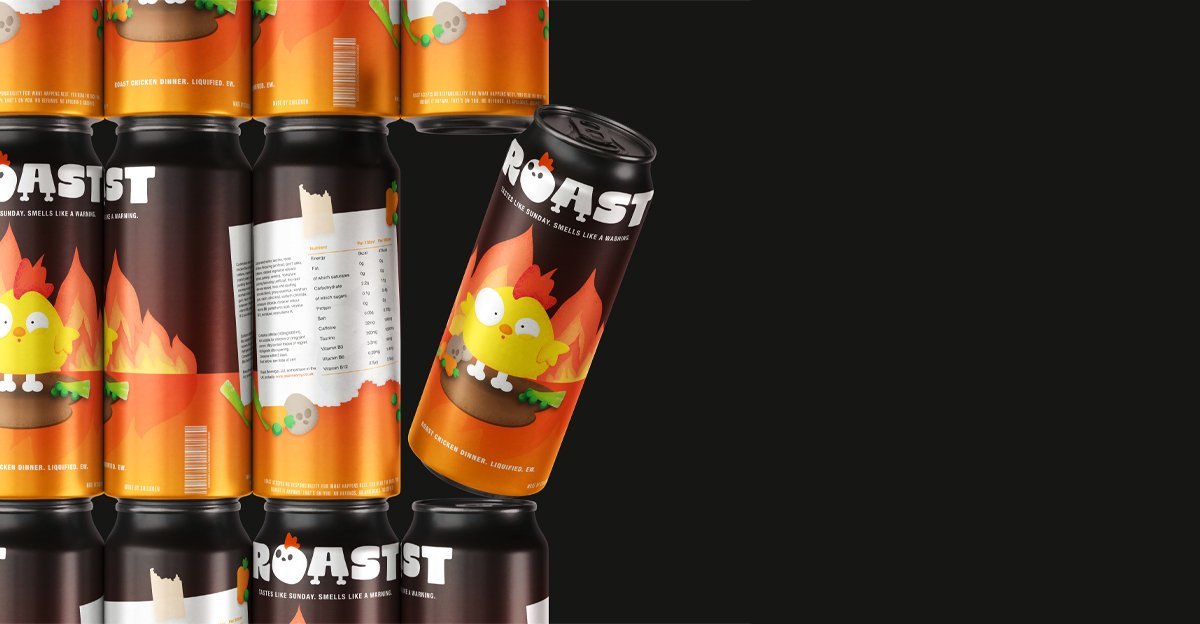
Our group was making a drink. Roast dinner flavoured. I spent thirty minutes making the label, and then right before we were due to present, someone from another group came over, popped the bottle, and destroyed it. I’ll forever remember the look on their face when they realised what they’d done. It was the face of “oh no we’re so dead, run.”
And to make it worse, not that it needed to be worse, they had also borrowed my nice pens and ruined every single one. So they really, really made me mad.
I was so annoyed that I made my whole group present everything themselves. All the marketing materials. All the designs. They stood up there and talked about it, and honestly? They looked so proud. The teacher was impressed. We got high marks. And I stood at the back thinking, yes. This is the job I want. Make the stuff. Watch it land. I don’t want to stand in front of a panel like Dragon’s Den defending my font choices.
The Apprentice effect
The second thing that confirmed it was watching The Apprentice. Not the candidates. Never the candidates. The people behind them. The ones who made the pitch materials, the branding, the product design. The ones who did all the work and then stood very quietly at the side while someone else presented it to Lord Sugar. That was the job. That was exactly the job I wanted. Make the thing. Watch it land. Let someone else do the talking.
What I didn’t realise was how much more the job actually was.
So here I am, five years in, having trialled things and failed at things and learned things the hard way. These are the tips for new graphic designers that nobody wrote down when I was starting out. The stuff I wish someone had told me.
Also for context: I did more research in my first year of working in design than I ever did before getting Timber. And I really should have done more research before getting Timber.
You’re going to make mistakes. Loads of them.
Lots and lots of them. Some big, most small. And that’s ok. It isn’t life threatening. It isn’t going to cause a client to go bankrupt. Mistakes happen, no matter how professional you are, no matter how long you’ve been doing this.
Even me, a seasoned professional (jokes) makes minor mistakes (not jokes) and that’s ok. Because I have a system. I proof everything three times before it goes to someone I work with to proof again. And 99.9% of the time we find the mistake and fix it before a client ever sees it. And if we don’t, the client spots it and we get the oops email. You fix it. You move on.
Don’t dwell. “The past can hurt. But the way I see it, you can either run from it or learn from it.” — Rafiki, The Lion King. Learn from it. Every single time.
Not everyone is going to like your designs
I know that’s hard to hear but it’s the truth. You could spend hours on something, produce an absolute banger, and the client picks the design you hated. It happens to the best of us.
I remember the first time I showed my boss a design I was super proud of and he had to let me down gently that it wasn’t it. In hindsight it was terrible. I had gone completely off brief and just designed on a whim. Sometimes that’s actually perfect. Designing something outside the brief or your comfort zone loosens the brain, sparks something. Pitch it if you want. But have a backup plan.
Don’t get too attached. The client loving a design and then amending it five more times is just part of the job. As a graphic designer you have to adapt, and that was hard for me. It’s always disheartening when you’re super proud and someone says no. “You let go of the illusion of control.” — Oogway, Kung Fu Panda. And once you do, the job gets a lot easier.
The cat analogy that’s completely relevant
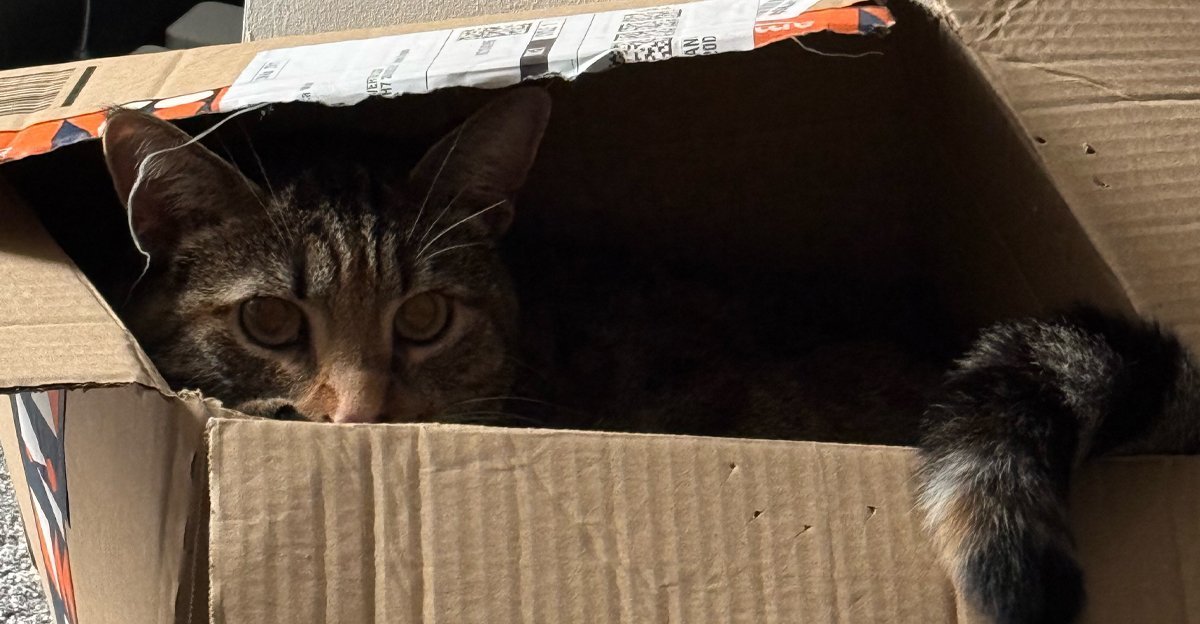
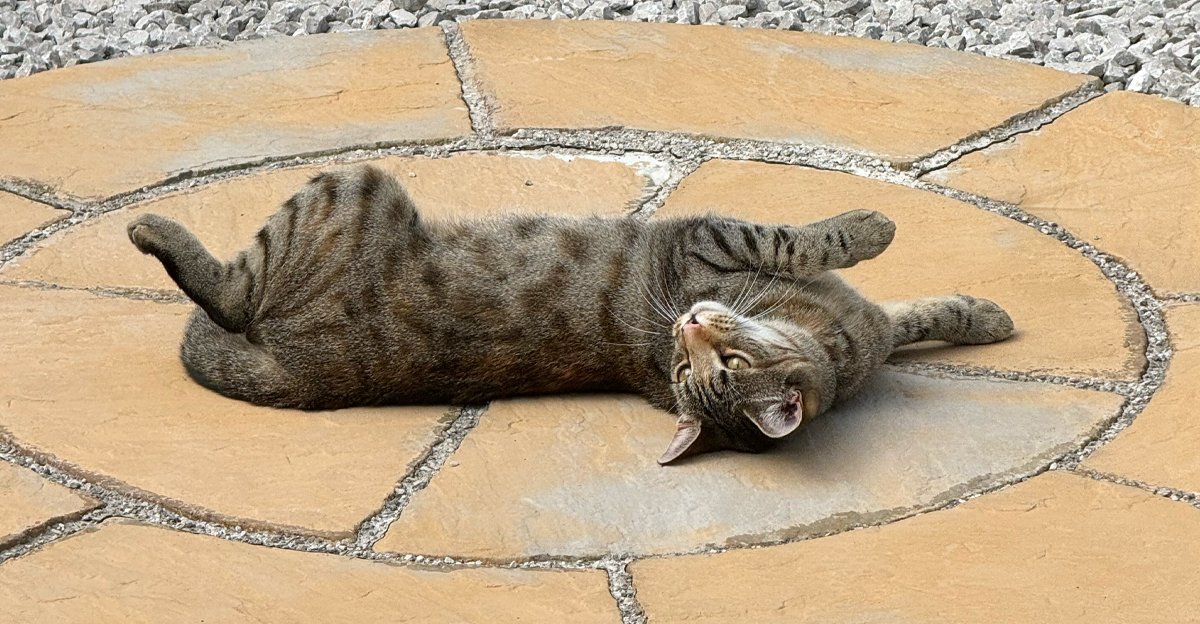
Once you get a cat, you realise that no matter what you give them they’ll always choose the cardboard box or the weird ratty blue towel you use when cleaning the fish tanks. Timber has five tunnels, a basket of toys, five beds, and an entire sofa to herself. She chooses the Amazon box every single time.
You can spend thirty minutes on a design and a client will pick the version you did in five. You worked incredibly hard on the other one. They want the box. Let them have the box.
Do your research before you design. Every single time.
You might think you know the answer. And sometimes you do, and to that I applaud you, because it sometimes feels really good to be the Amy Santiago of the room. But even she has her moments of being wrong.
There have been times where I’ve been super confident, skipped the research, went in, and then mid-conversation realised how badly I’d misread the brief. I had understood the industry as a consumer, not on a business level. Naively I thought, well if I think this then everyone probably thinks this. Nope. Everyone thinks differently. Figuring that out is part of the job.
You wouldn’t go to a restaurant without checking the Google reviews and the menu first, right? The last thing you need is to walk into a place that only serves fish when you’re allergic to fish. You’ve booked it. You feel too awkward to leave. And to that I say: leave. Abandon. Don’t get food poisoning to be polite.
Same with design. The minute you realise a design is going in the wrong direction, abandon it. Don’t stick it out hoping it’ll work itself out. The last thing you need is metaphorical food poisoning at a board meeting because you presented something built on no research and a vibe.
Ask questions before you start. Check the industry. Make a mood board. Get pen and paper and doodle before you open any software. I genuinely miss the pen and paper stage sometimes, and the projects where I skipped it always took longer. The doodle stage isn’t wasted time. It’s the bit that makes everything after it faster.
Talking to clients is scary and then it just isn’t
I’m still a little scared of it, if I’m honest. I still reread my emails four hundred times before sending to make sure I don’t sound like an idiot. But sometimes you have to talk to clients, especially when discussing your design. There’s no point offloading all the back and forth to someone else, especially if they don’t know why you made the choices you made. You know your work better than anyone. Be the one to explain it.
Be honest. Don’t pretend to know something you don’t. It’s completely fine to say you’ll get back to them on something, because that’s how you learn and no one expects you to know everything. The people who get into trouble are the ones who waffle on confidently about things they haven’t got a clue about.
You know when you go into a shop looking for something specific, and someone comes over to help, and they walk you around the whole place for ten minutes, and then eventually admit they don’t actually work there, they just wanted to be helpful because you seemed desperate? That energy. Don’t be that. It wastes everyone’s time including yours. Just be honest, be yourself, and if you’re naturally a bit rude, be polite. That’s primary school level advice but apparently it still needs saying.
There’s as much psychology in this job as there is design. Show up with ideas. Steer gently. Build their confidence in your choices. Learn when to speak up and learn when to keep your mouth shut. That balance takes time. You’ll get it.
You’ll stress over fonts and colours more than is reasonable
And then you’ll realise the client almost never notices the thing you agonised over. The 2% opacity difference. The kerning. The very specific shade of blue that kept you up.
Caring about your work is a good thing. You should care how the final thing looks. You should be proud of it. But someone not noticing the tiny detail isn’t the end of the world.
Think about Gordon Ramsay. He cares about every single element on that plate. It goes out looking perfect. The person receiving it isn’t going to gush about the sauce smear technique. They’re going to talk about how good the food was and how it wasn’t raw. He can see the full picture and he knows what matters to the person eating it, not just to him as the chef.
Look at the full picture. Take a deep breath. Don’t stress over the little things at the expense of the big ones.
Trends move faster than you can keep up with as a graphic designer
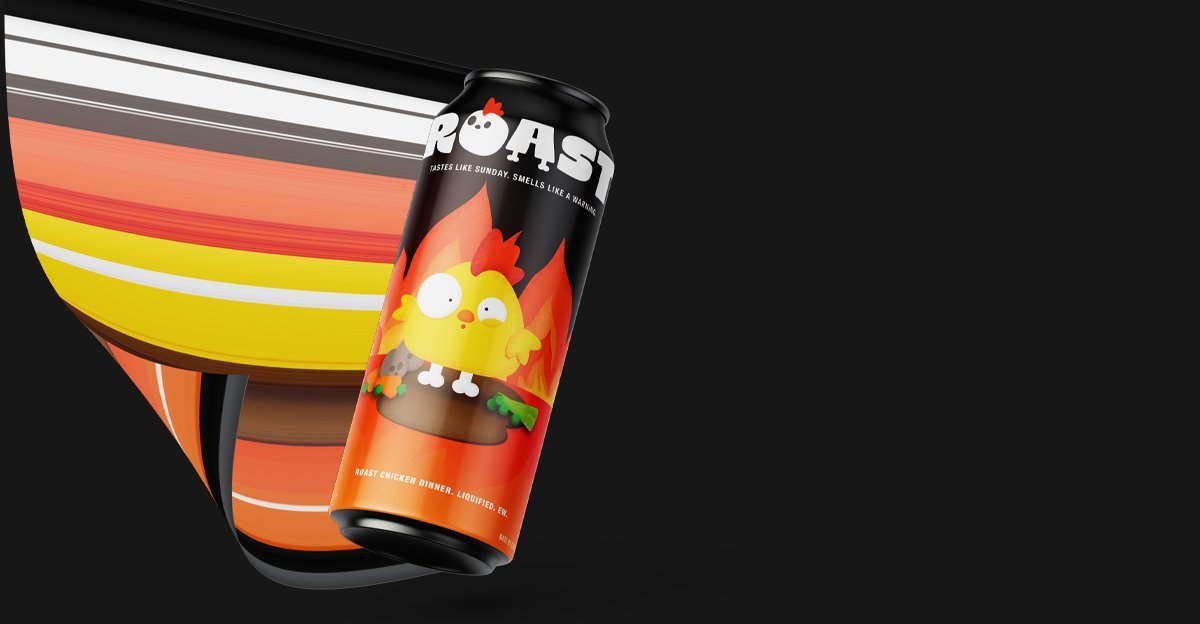
Trends in graphic design come and go quicker than an F1 champion season to season. As I write this, there’s a current trend called the pixel stretch. You take a small strip of a photo, stretch the pixels out, and it creates this smear effect across the image. It’s trending hard right now. Everyone is trying it. Adobe themselves published a TikTok explaining how to do it. I love it. It’s a great skill, it adds something, and it builds a sense of community when everyone is playing with the same idea at the same time.
But the chances of me using pixel stretch in a B2B brief are fairly low. That’s fine. Because that isn’t really the point.
The point is you take what you learn and find where it fits. It’s like being a kid learning to ride a bike and watching your friends do tricks. You learn the tricks. They’re fun. Most of them aren’t practical in daily life. But then one day you’re on a completely normal bike ride and you pull something off without even thinking about it, and it works, and you only knew how to do it because you practised the trick for no reason at all.
I wouldn’t know. I can’t ride a bike. But I hope that made sense. If not, oops.
Social media design vs real world briefs
Design on social media and design in actual B2B briefs are two completely different worlds, and knowing which one you’re in on any given day is its own skill. Stay aware of what’s happening in the wider design world because your taste is shaped by what you see. But know when to leave it at the door.
“I never look back, darling. It distracts from the now.” — Edna Mode, The Incredibles. She is completely right.
The AI thing. I know I said I wouldn’t mention it again.
I tried to be cool and unbothered about it in my last post. But honestly, it’s scary. I don’t know exactly what it means for the future and I’m not going to pretend I do.
What I do know is that panicking isn’t a strategy. Adapting is. “Your mind is like water. When it’s agitated it becomes difficult to see. But if you allow it to settle, the answer becomes clear.” — Master Shifu, Kung Fu Panda. Still not sorry.
The software thing: tips for new graphic designers on what to actually use
Right. The discourse. Let’s get into it.
Canva exists and people have opinions about it. Designers either love it or act like it personally wronged them. The truth is it’s a tool, same as everything else, and what matters is what you do with it.
Photoshop and Illustrator keep adding new features faster than most people can keep up with. Adobe releases something new and before you’ve had time to learn it properly, there’s another thing. That’s fine. You don’t need to know everything. You need to know what helps you do the job well.
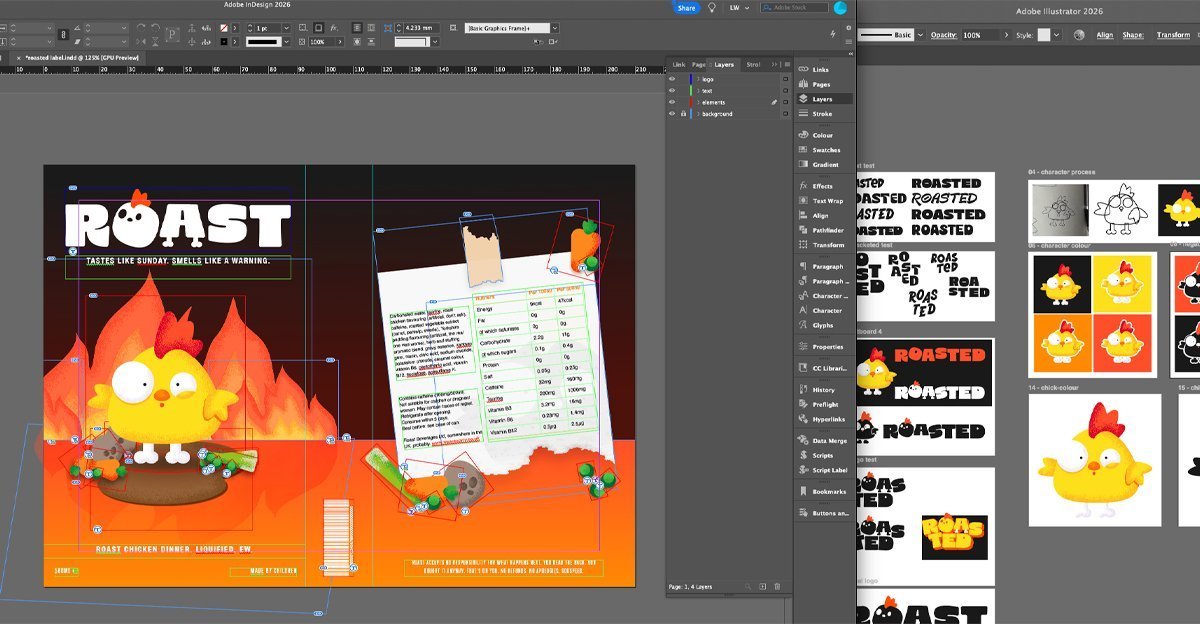
InDesign gets a lot of complaints and I genuinely don’t understand why, because I love it. Yes, it has limits. There are things it won’t do easily. But it doesn’t mean you can’t make it work. I’ve made it work consistently for years and I would defend it in a fight.
Figma is brilliant and the design community knows it. The collaboration features alone make it worth learning. XD is also genuinely great and criminally underrated, but here we are.
If you’re just starting out and Adobe feels like too much financially, Affinity is a fantastic alternative. It was actually the software I originally learned on. Properly good, much more affordable, and it’ll teach you the fundamentals without the subscription guilt.
TikTok has somehow become one of the more useful places for short design tutorials, which is a sentence I didn’t expect to type but it’s true. Use it.
Keep learning. Even when it’s hard.
The first version of anything will always be the worst. That isn’t a reason to stop. The second version will be better. Keep going and version six will be the best thing you’ve made. Then version seven will make you cringe at version six, which means you grew, which is the whole point.
Learn by doing. A short tutorial. A reference you recreate just to understand how it was made. If you like someone’s work and message them, most of the time they’ll reply. People are more generous with their knowledge than you’d expect.
Just don’t pile course upon course upon course until you can’t see over them. You don’t need to consume every piece of content on the internet to be a good designer. You need to practise, stay curious, and give yourself room to actually use what you’ve learned before adding more on top.
“Sucking at something is the first step to becoming sorta good at something.” — Jake, Adventure Time. I think about it more than I should.
You’ll start analysing design everywhere and you can’t turn it off
Every poster. Every menu, every font choice on every banner at every event you’ve ever been to. Your brain just does it now, automatically, before you’ve had a chance to consent.
Please stop critiquing the fictional business’s poster in the TV show while your boyfriend is trying to find out who the murderer is. He doesn’t care why they used Comic Sans. He just wants to know who did it. That one is aimed at me. But if it applies to you too, ease off slightly.
Take a break. Seriously.
When it’s your lunch break, stand up, stretch, go for a walk, touch some grass. Literally. Go and sit in a field and eat your lunch like a romcom set in America. Turn your monitor off, read a book, doodle in a notebook, close your eyes and give it a rest.
When you get home, don’t immediately jump back on your computer. Catch up with friends and family. Build a new cat tree for your cat to completely ignore once it’s finished. Not when you’re building it though, because they’ll absolutely be in the way for that part.
The more you sit at your desk without moving, the more you’ll start to feel it. The headaches. The back strain. The wrist ache. The design project isn’t going to delete itself if you step away. Just make sure to save first.
Eat something. Drink some water. I’m not a vet. But I speak designer. Consider this your Dr Dolittle moment.
You’ll love it more than you hate it. Most days.
There will be days you hate it. Real ones. Days where everything is wrong and nothing is landing and the deadline was yesterday and the font still isn’t right.
And then there will be the other days. The ones where it clicks. Where the thing you made is exactly right and you know it before anyone else does. A client sees it and their face does the thing. Where you look at something finished and think, I made that. That came from me.
Design is an expression. A way of showing the world something in a shape they can actually use. That’s worth the hard bits. It really is.
We’re all figuring it out. We’re all doing our best. Find people who are doing that with you, not against you. Communicate when it’s too much. Ask for help before you’re already running on empty. And when nobody can lend a hand, good job there are YouTube tutorials at 11pm and forums full of people who’ve had the exact problem you’re having and written it all down.
Hakuna Matata. It means no worries. And for the rest of your days as a graphic designer, that’s the vibe.
One last thing. A reward for making it this far.
Right. You stayed and read the whole thing. So, you deserve something for that.
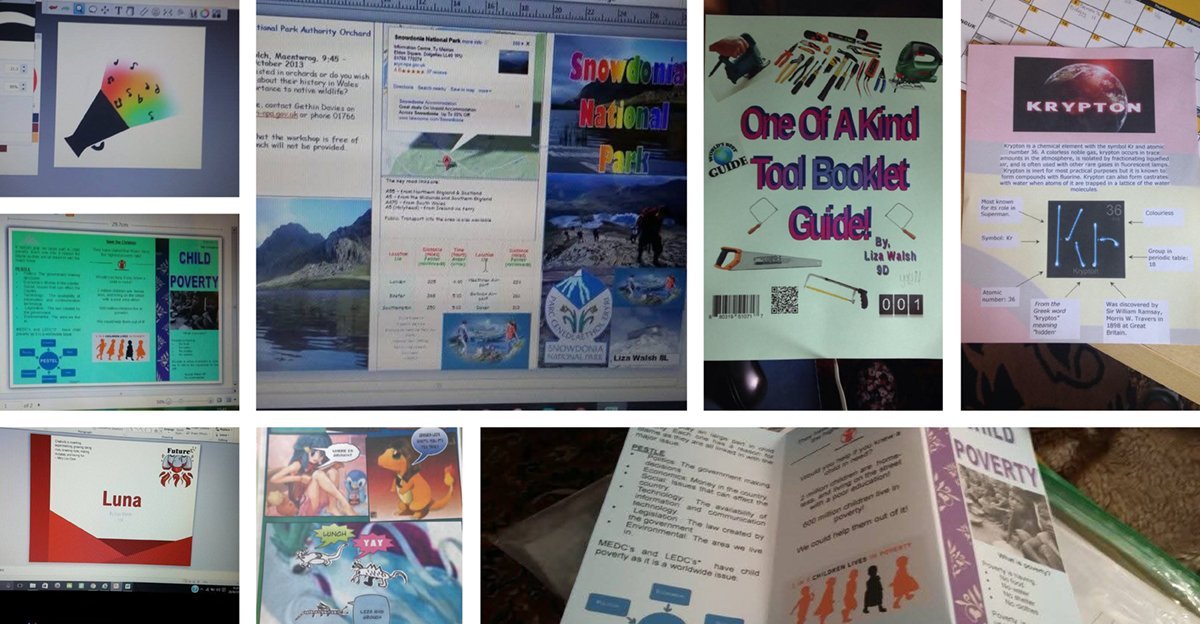
Here’s a small collage of designs I made back in high school that I thought were absolutely incredible at the time. They weren’t. They’re terrible. But that’s kind of the point, isn’t it? Every version one is the worst version. These are mine, and I’m showing you them anyway, because growth isn’t linear and it isn’t pretty, and sometimes the best thing someone can do for a new designer is prove that everyone started somewhere embarrassing.
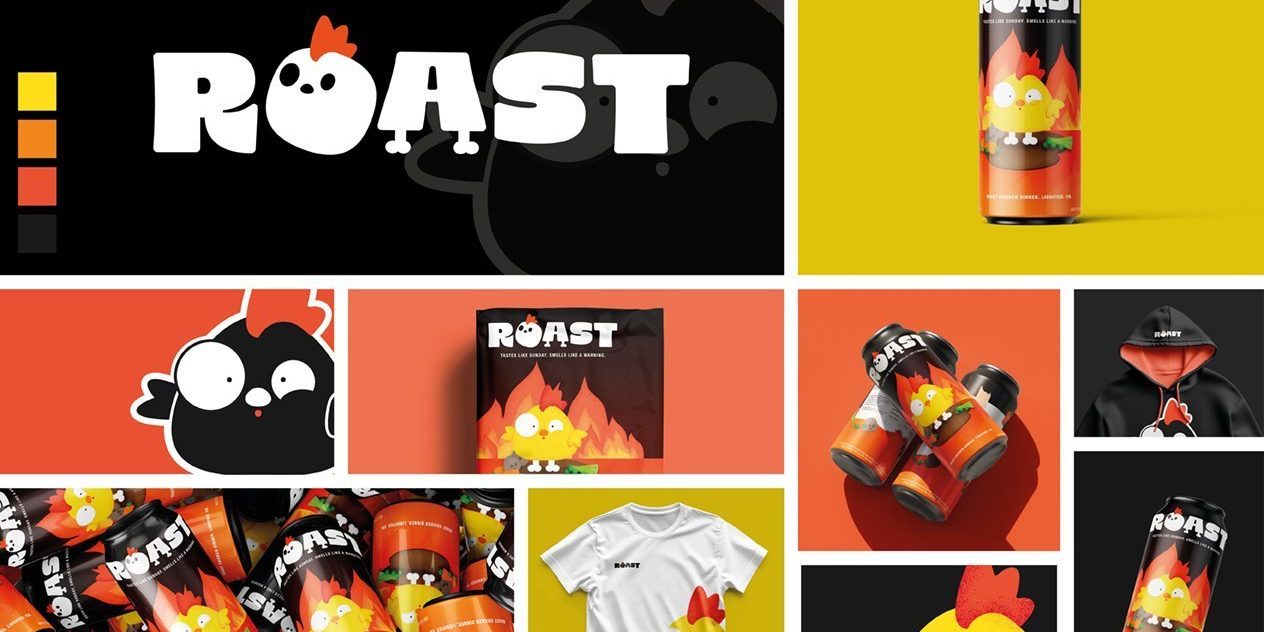
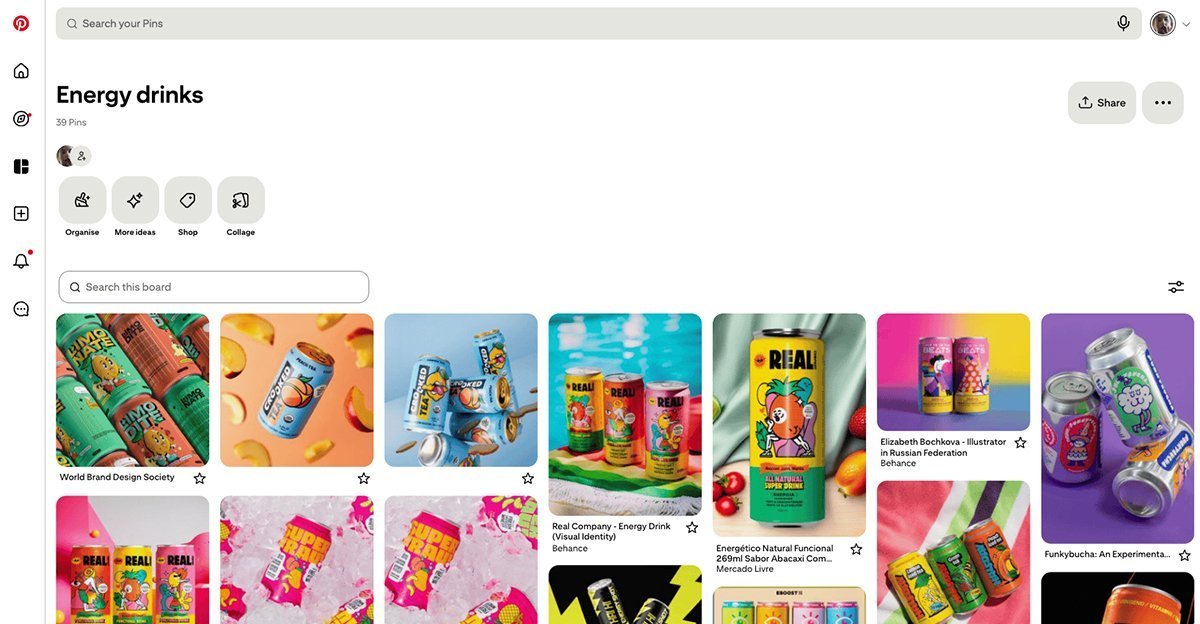
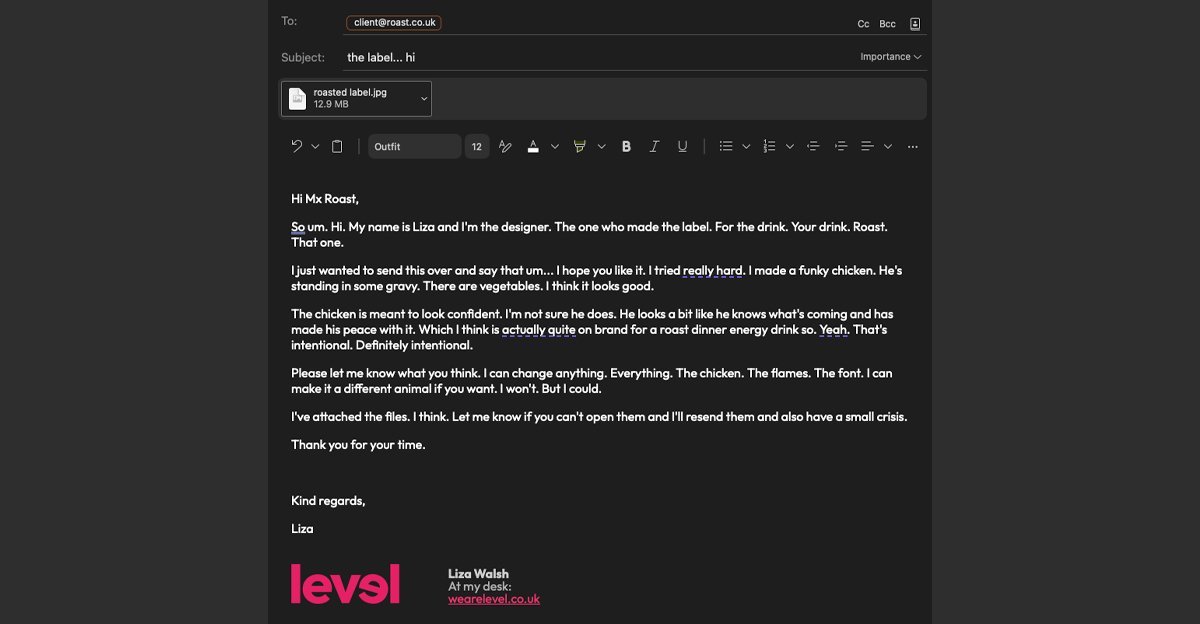
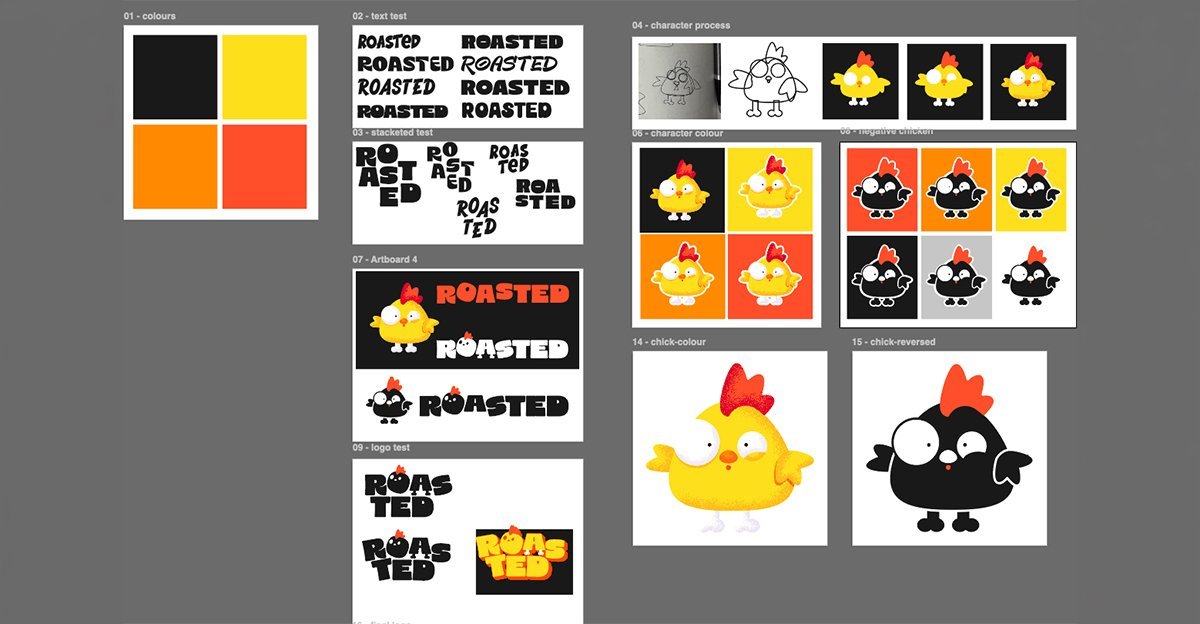
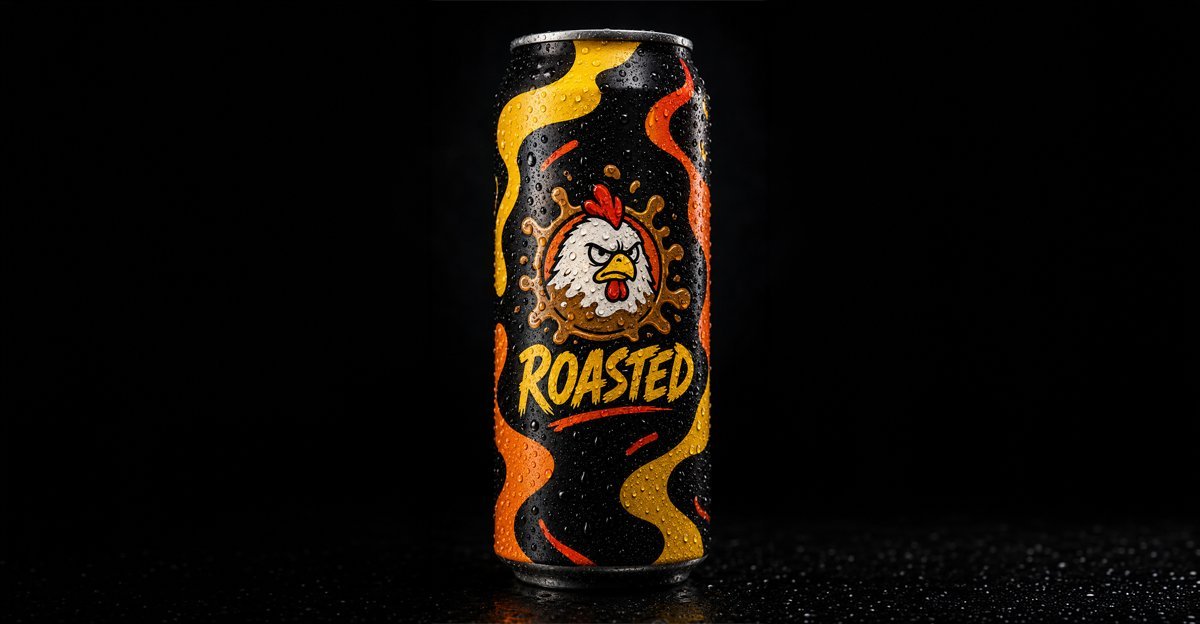
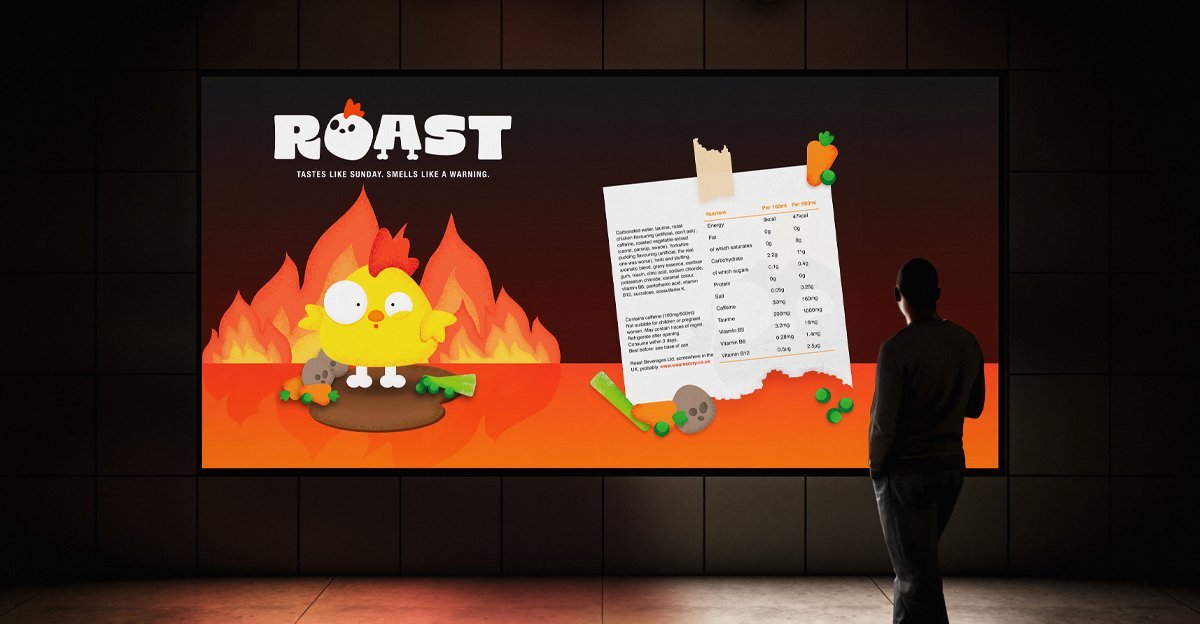
Unfortunately I don’t have the original roast dinner drink label. Gone. Lost to time and probably a recycling bin in 2016. But throughout this article you might have noticed a little redesign running alongside it. That’s my 2026 version. What the label could have been, if I’d known then what I know now.
I still think it would be a rank drink. Roast dinner flavoured anything is a crime. But maybe you can decide. The brief is yours if you want it.