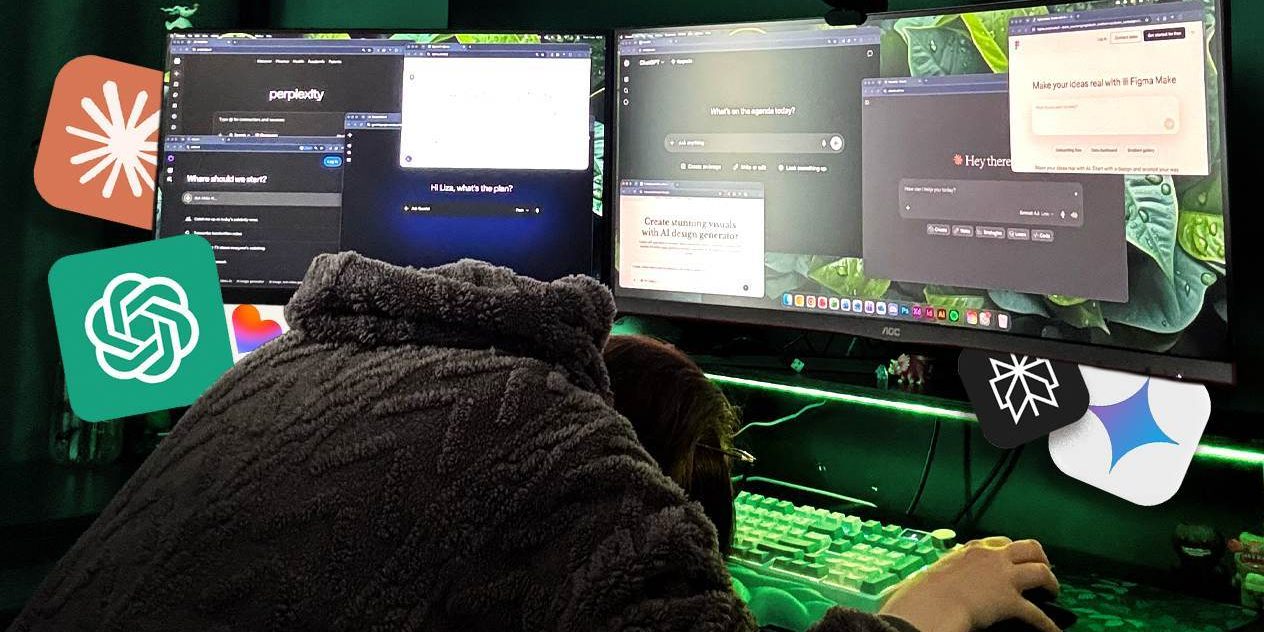
You’ve been using AI this whole time. Yes, you.
I know. It’s the dreaded AI article. Everyone and their dog is talking about AI and design right now and you are absolutely sick of it. Honestly? So am I.
All I hear, every single day, is AI this, AI that. I’m starting to miss the days when designers were complaining about Canva. Remember that? Every other LinkedIn post was either a designer insisting Canva was single-handedly destroying the industry, or another designer gushing about how brilliant it was. The discourse was exhausting and also sort of comforting in hindsight. Simpler times. Now it’s AI. AI is everywhere and I am so, so tired of it.
So what did I decide to do? Jump on the bandwagon. Obviously. Because I also have an opinion I want to share, and if I write it down and get it out there and it helps even two people, then those two people are worth it. This is the last time I will ever touch this subject. God, hopefully.
I know what you’re thinking. Either this is going to be incredibly boring, or you’ve already mentally filed us under “another AI company” and closed the tab. And to that I say: OMG NO PLEASE WAIT. GENUINELY. PLEASE. Just listen and trust me for a second.
All I’m doing here is pointing out that AI has been around for a long, long time before ChatGPT became everyone’s best friend. I’m not saying we’re a company that loves AI and relies on it. I’m just here for the couple of graphic designer brains who are currently panicking whilst looking at their degrees. It’s okay. Put the phone down. You don’t need to look for a new profession.
And if you stick around to the end, there’s a reward. I promise it’s worth it.
Ok, remember 2016?
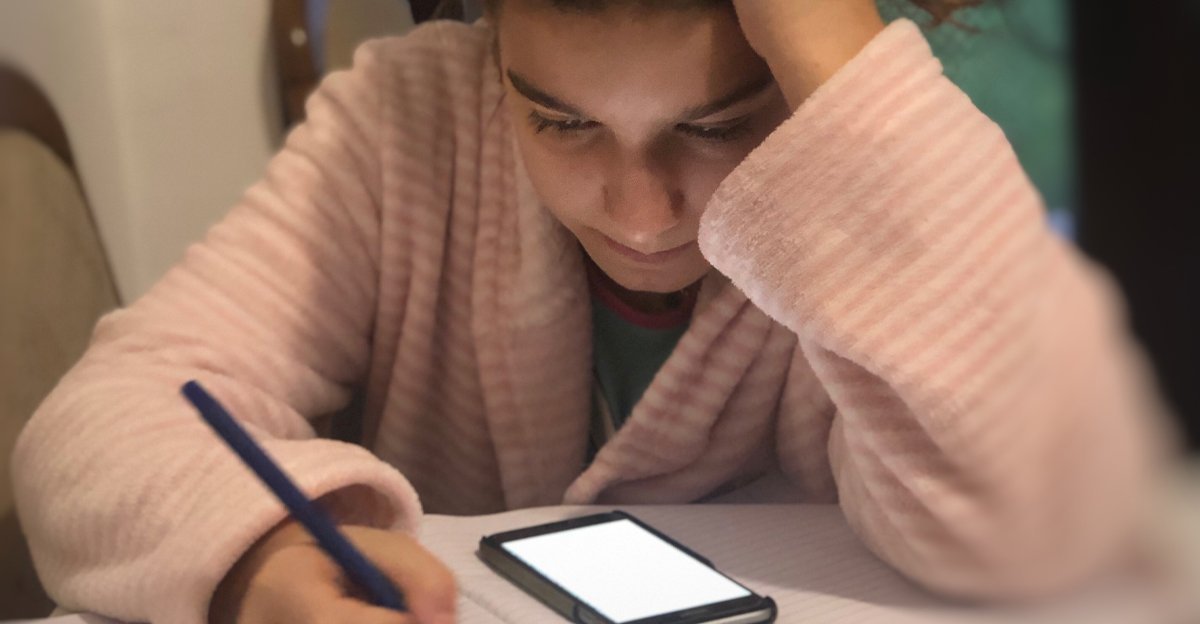
It’s a Thursday night. 2016. It’s 10pm. You suddenly remember, with the specific stomach-dropping horror of someone who genuinely doesn’t like getting caught, that you haven’t done your Welsh homework. So you do what any reasonable teenager does. You open Google Translate, you type the whole thing in, you cross your fingers, and you hope your teacher isn’t paying close enough attention. Eight times out of ten, she wasn’t. Sorry Mrs Messham.
That was AI. You were using AI. Of course, you just didn’t call it that, because nobody was calling it that, and frankly you had a homework deadline and a very specific kind of panic to manage.
You’ve already been here. You just didn’t notice.
Honestly, most of us have been using AI tools for years without the word “AI” anywhere near them. And we were fine. Life continued. Jobs persisted. Designers kept designing. Nobody showed up looking for John Connor.
The AI tools you’ve already been using
Think about your actual daily life for a second:
- Autocorrect and predictive text: Look, it wasn’t good. We all got frustrated with it. We all sent “ducking” when we meant something else entirely. But at least it meant none of us had to admit how many words we’d been spelling wrong our whole lives. I’m not snitching on myself.
- Grammarly: The little green underlines that save you from sending “their” when you meant “there” in a client email. Been using it for years. Still have a job. It also rewrites my emails when I feel like I sound a bit all over the place. Which is often. And that’s fine.
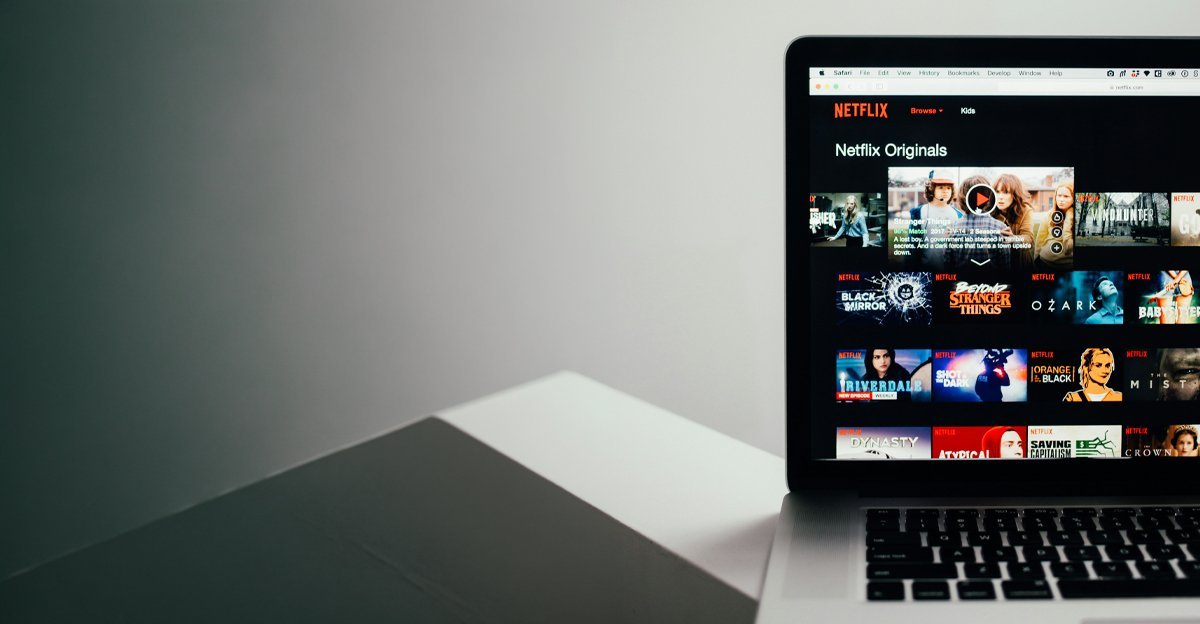
- Netflix and Spotify recommendations: An algorithm has been quietly deciding what you watch and listen to for a decade. You thought you found that show yourself. You didn’t. But okay.
- Gmail’s Smart Reply: Those little “Sounds great!” suggestions at the bottom of emails. You’ve used one. It’s fine. We’ve all done it.
- Google Maps rerouting you around traffic: Real-time AI, every single commute, and not once have we pulled over to have an existential crisis about it.
- Face ID: Your phone has been doing AI on your face every single morning. Before you’ve even had a coffee. Every morning.
- Bank fraud detection: Every time your card didn’t get declined when someone dodgy tried to use it, that was AI quietly doing its job.
- Adobe’s Content-Aware Fill: Photoshop has had AI tools since 2010. 2010. Where was the LinkedIn post about that?
- Canva’s magic resize: Been there for years. Nobody had a meltdown.
- Excel autofill: And I know you’re out there, Excel people. I see you. I respect you. Genuinely.
- AI screen readers: I use one regularly. Helps me multitask. Genuinely one of the most useful things in my working day.
Why none of this killed your career
None of this killed anyone’s job. None of it replaced human creativity. It just helped. The same way Google Translate helped me pass Welsh at GCSE. I got a B.
For legal reasons I feel I have to clarify: I did not cheat on my GCSE exam. I only cheated on the homework. WJEC, please don’t take my B away. Mrs Messham, sorry again.
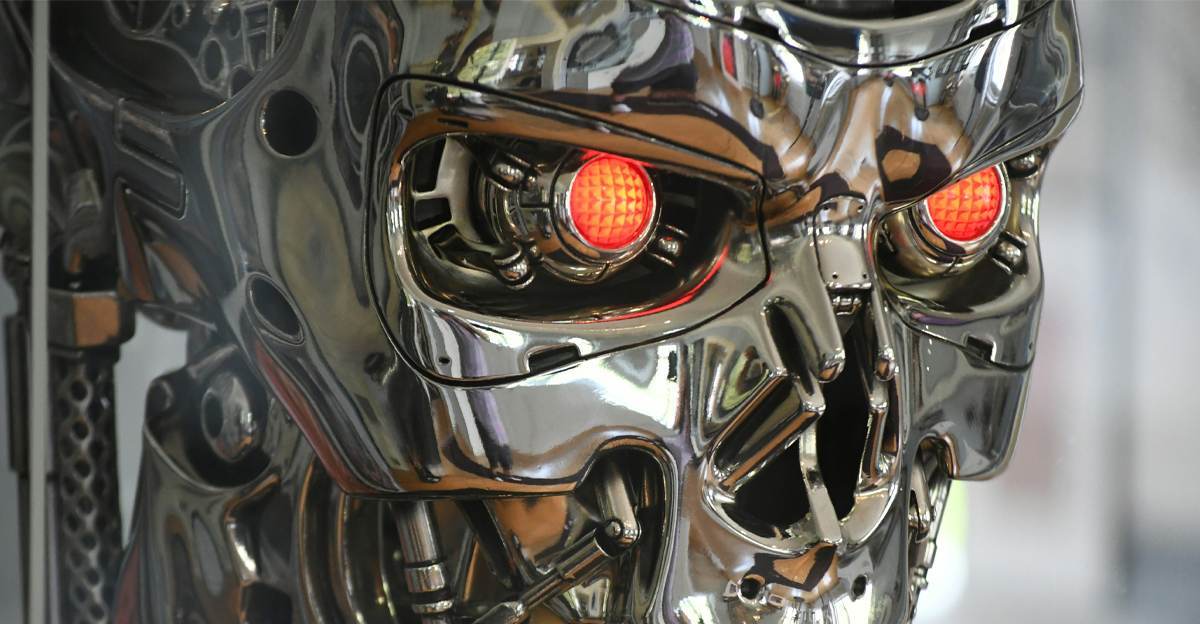
The Terminator thing. Let’s just deal with it.
Right, I need to address it because every single conversation about AI in graphic design ends up here eventually. The fear. The “it’s coming for all of us.” The very dramatic energy of someone who has watched too many films and not enough reality.
AI is not Terminator. Arnold is not coming. John Connor is fine. Nobody is being hunted.
AI isn’t better than humans. It’s a tool.
Saying AI is better than humans is like saying Rey is better than Luke Skywalker. She’s not. And if you disagree with me, you’re wrong. Don’t @ me.
Now, the fear around graphic design and AI specifically, that it’s taking jobs, replacing agencies, that your clients are going to prompt their way to a full brand identity and never call you again, is the same energy as every previous “this is going to kill design” panic. Desktop publishing was going to kill designers. Canva was going to kill designers. Stock photography was going to kill photographers. Somehow, none of it did, because the thing that makes design good has never been the software. It’s the thinking. The judgment. The person behind it who actually cares what it looks like.
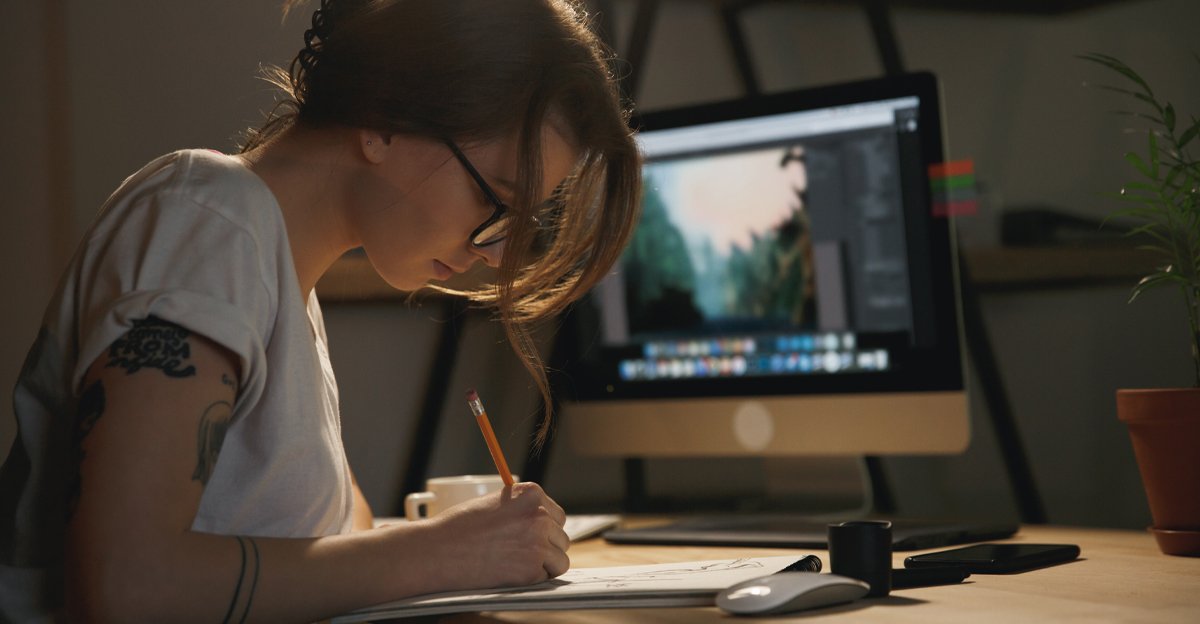
What AI in graphic design actually does (and doesn’t do)
In my opinion? AI design isn’t good. Not really. Not yet.
Why AI-generated creative work falls flat
I’ve seen what the tools produce. I’ve looked at it properly. Genuinely, my designs are better. And that’s not arrogance, it’s just true. AI-generated creative work has a specific feeling to it. Cold. Technically correct and emotionally empty. Because everyone’s using the same tools with the same prompts, everything starts to blur into the same thing. One enormous beige wall of content where nothing stands out and nothing feels like it came from someone who actually cared.
Also, it keeps giving people six fingers. Or maybe I’m just bad at prompts. No. No, it’s the AI.
Where AI in graphic design genuinely helps
But here’s where I have to be honest in both directions, because I think that’s more useful than just picking a side.
Can AI genuinely help with graphic design? Yes. When you’ve got a great pun on the tip of your tongue and you just can’t quite land it, AI can give you the options to help you narrow it down. When your brain has gone blank and a client needs something by Thursday, a quick prompt gives you a starting path. It’s not the destination. It’s the thing that gets you moving when you’ve ground to a halt.
When an AI search beats a Google search
And sometimes a quick AI search beats a Google search, because at least you get an answer instead of scrolling past fourteen ads and six articles all trying to sell you something. Especially when all you wanted to know was how to fix your TV screen after your cat sat on the remote and flipped it upside down. Done. Timber has been managed. Life goes on.
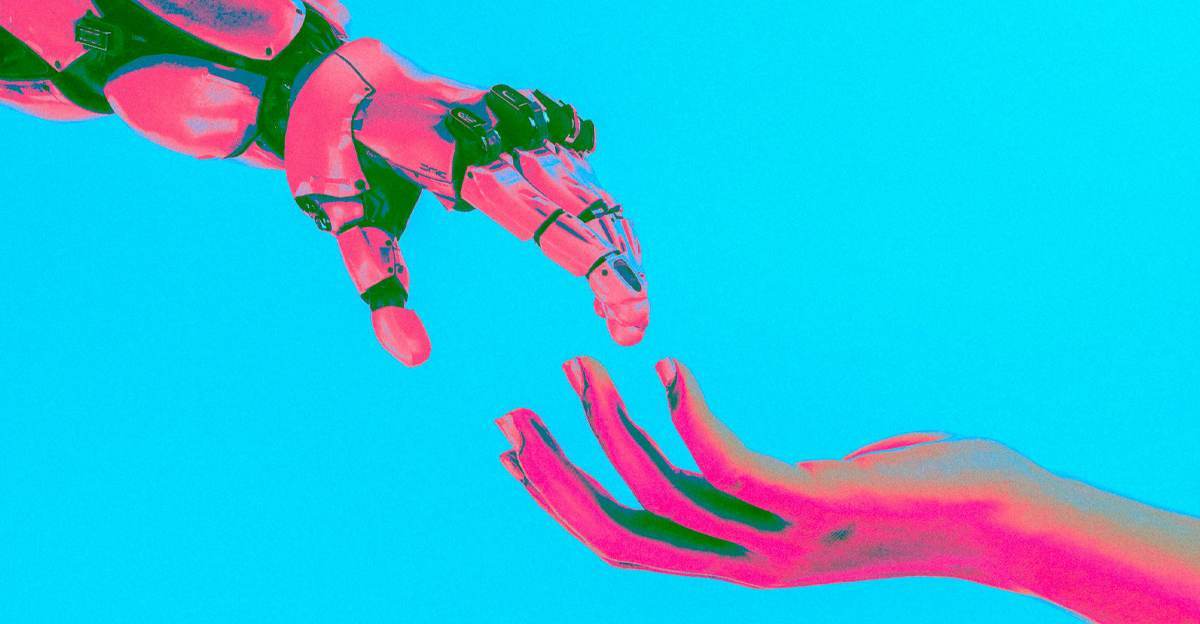
What AI tools for designers are actually like to use (honestly)
Sometimes using AI as a designer is like having a heavy blanket of cement lifted off your shoulders. Picture it: you’ve been staring at a blank screen for thirty minutes. You can practically see your own brain through your computer monitor, you know, like when you press your eyes and you get those weird light shapes? Why does that happen? I don’t know, I’m not a doctor. Anyway. You type something in and suddenly there’s a starting point. The cement shifts. You can breathe again.
When AI tools for designers make you want to throw your phone
Sometimes it brings the worst out of you. You get irrationally annoyed with it. You’re asking it something completely reasonable and it comes back with something so confidently wrong that you have to put your phone down and walk around the room for a bit. We’ve all been there.
Eventually, though, sometimes you feel genuinely seen and heard and it makes your whole workflow smoother and you think, actually, this is brilliant.
Then you remember it’s a robot. And that’s fine. It’s fine.
AI has limitations. So do humans.
Does AI know everything? No. Do I trust everything it tells me? God, no. But I also don’t trust putting my phone number into the doctor’s website, and I’m starting to think that might be why Dr Jones never got back to me. Siri, make a note.
Here’s the other thing: AI has limitations. But so do humans. I’m a designer. I can’t change a tyre. I barely know where you put the oil in a car, I genuinely couldn’t tell you. But I can make you a leaflet or an infographic that explains it so clearly that even someone exactly like me could follow it. We all have the thing we’re good at. AI has the thing it’s good at. That’s not a threat. That’s just how tools work.
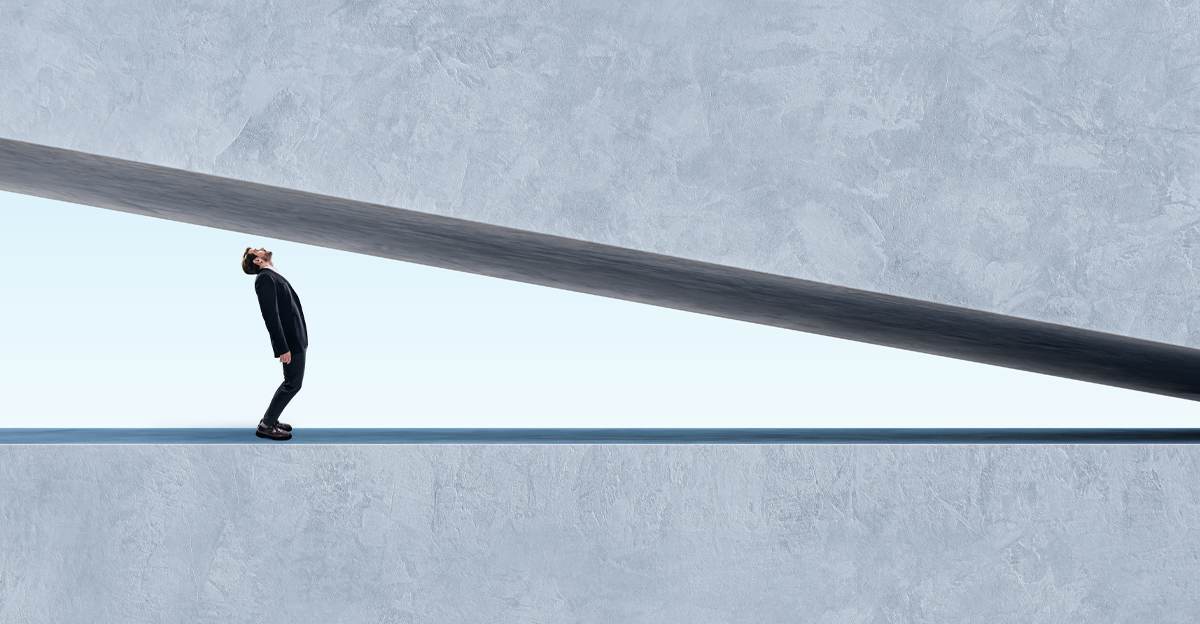
AI in graphic design is closing the gap for smaller agencies
Here’s something that genuinely excites me about where this is all going: smaller agencies can now produce outputs that compete with agencies ten times their size.
What this means for small creative businesses
That used to be impossible. A small team of two or three people simply couldn’t match the volume and speed of a multi-million pound operation. Now the gap is closing. AI handles some of the production load, and the humans in the room handle the thinking, the strategy, and the taste. Which is, by the way, the part that actually matters.
On a smaller scale, I’ve seen AI help start-ups and small businesses create ads to share on their local Facebook group. Honestly? It’s fine. It gets them business. It helps them grow. And in the meantime, the AI ad is genuinely better than the Word document that got screenshotted blurry and uploaded sideways, where nobody could tell if the date said the 27th or the 15th.
And if you want the honest version of that for social media, I wrote about that too.

The Coca-Cola problem
Coca-Cola has been making beautiful Christmas ads with CGI for years. Proper, expensive, magical ones that make you feel something. Last year they made one with AI instead.
Why? Money, probably.
When AI in graphic design loses its warmth
So, the outcome? In my opinion, it lost its magic. That specific warmth was gone. You could feel the absence of the people who would have cared about every frame.
But here’s the other side of it. I’ve seen people use AI to create images of their children standing next to a grandparent who passed away before they were born. A moment that could never exist, made real. Something that helped someone in their grief in a way nothing else could have.
And now I’m crying. So. That’s where we are.
When AI is absolutely the right call
I’ve also seen TikTok videos of people’s cats fighting like samurai warriors, edited with AI. Is it fine art? No. Is it very funny? Yes. Could they have learned CGI instead? Technically, yes. But getting the cat into the samurai outfit? Absolutely not. Have you ever tried to get a cat to do anything? You can’t. They’ll scratch you for trying to give them a cuddle when they’re not in the mood. The AI samurai cat was the right call.
The tool isn’t good or bad. It’s what you do with it.
The one thing I’ll say about ethics
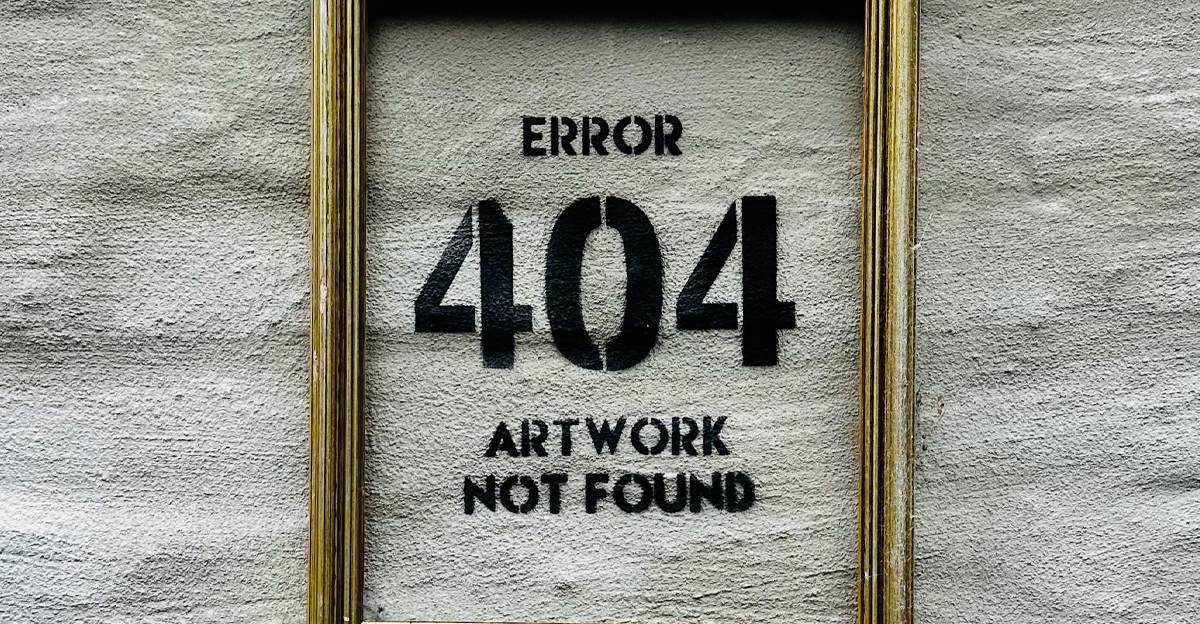
I don’t think you should use AI to steal other people’s art and designs and pass them off as your own. I don’t think you should sell stolen AI-generated artwork. That’s it. That’s the whole section. Don’t do that.
What about the jobs? (Don’t worry boss, I was just researching)
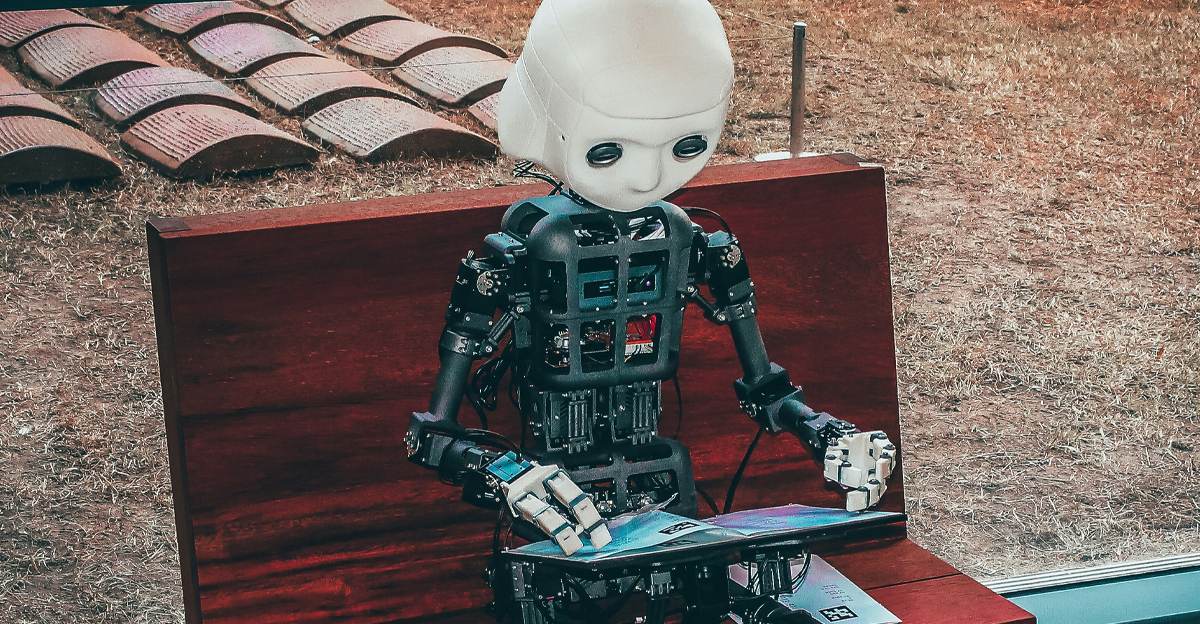
Here’s something that gets quietly lost in the panic: since AI arrived, there’s been a genuine boom in job roles that exist specifically because of it. Prompt engineers. AI content editors. People whose entire job is generating AI output, finessing it, making sure it doesn’t look like it was produced by a very confident robot with no taste and a concerning approach to human anatomy.
AI in graphic design created jobs, not just took them
Ultimately, the tools changed. The need for humans with judgment didn’t.
Where’s Wally
Here’s where I’ve landed, and I think it’s the only honest place to land.
The honest truth about AI in graphic design
Yes, it has limitations, and that’s okay, because so do I, and you don’t see anyone writing alarming LinkedIn posts about my inability to change a tyre. On the days it helps, I use it. On the days it doesn’t, I leave it. I stay annoyed at it when it deserves it, which is often. And I appreciate it when it genuinely makes my day easier, which also happens more than I expected.
Maybe AI does flood the design market. And maybe every company with a subscription and an afternoon to spare starts producing content by the bucketload. So, maybe things get a bit more beige and a bit more same-same for a while.
Why human designers aren’t going anywhere
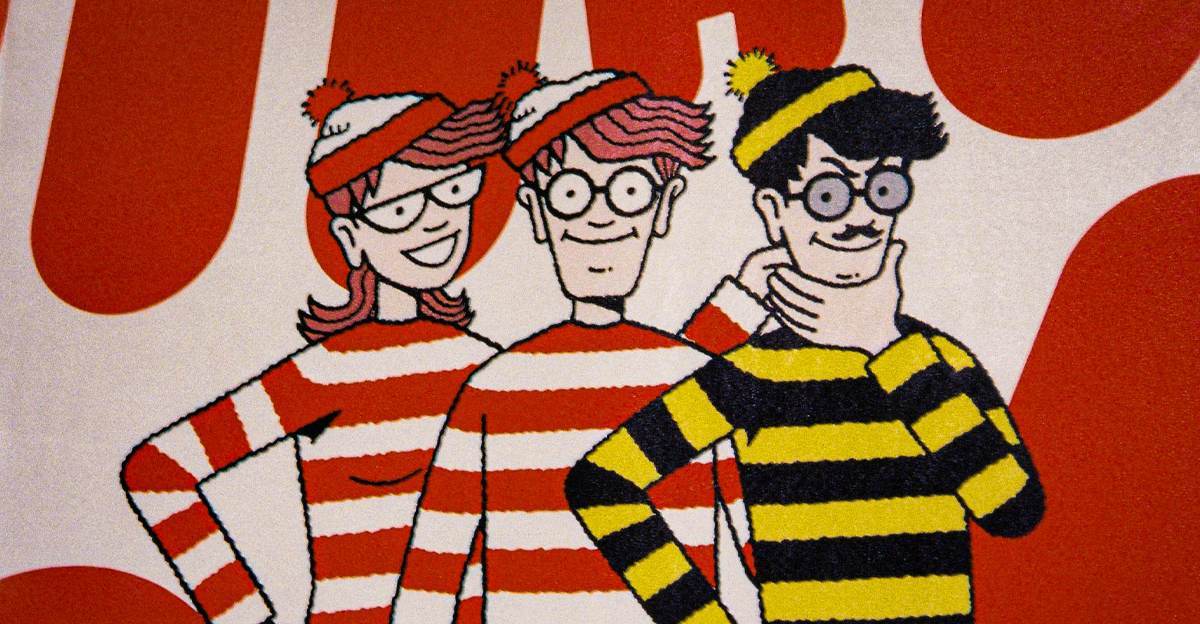
But when someone finds a human designer, a real one, with a point of view and a voice and very strong opinions about the Skywalker saga, it’s going to feel like finding Wally in a Where’s Wally book. That little jolt. That “oh, there’s an actual person in here.” I still go back to those books by the way. I can still find him. Anyway. That’s beside the point.
The point is: stop panicking. Think. Breathe. Figure out where you stand, what you’re good at, and what tools actually help you do it better. Use those. Ignore the noise.
We’re not getting replaced. We’re just getting a very fast new colleague with no taste, six-fingered delusions, and a genuinely impressive knowledge of upside-down TV screens.
You stayed. Oh my god. You actually stayed.
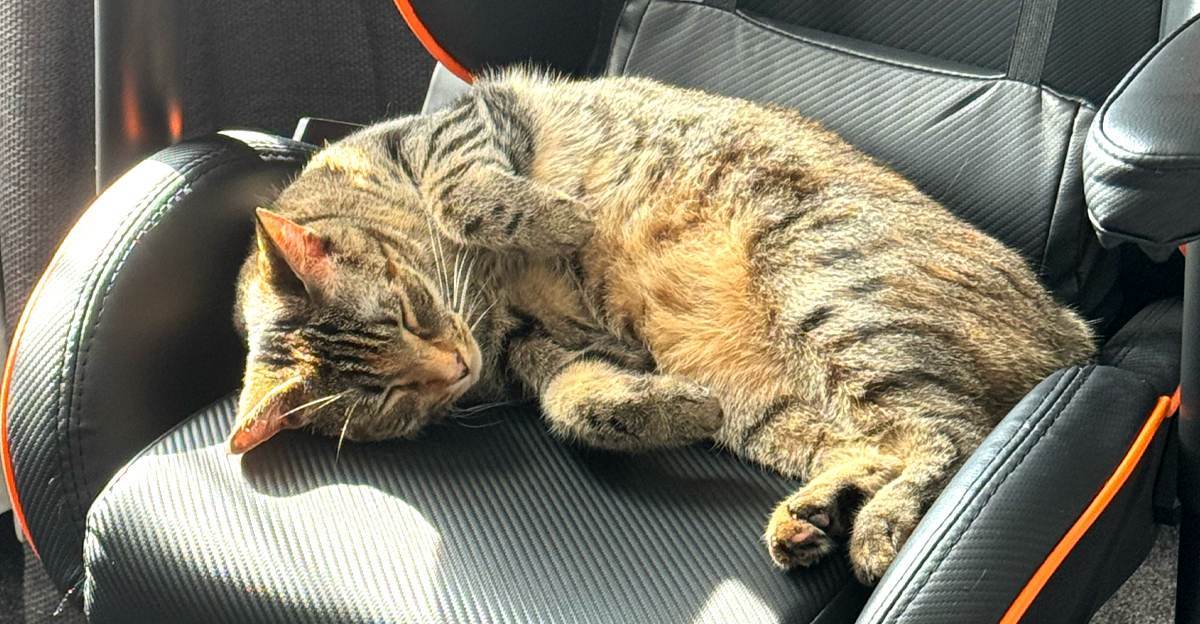
Right, okay, a deal is a deal. I promised you a reward and I am a woman of my word. Here she is. The only one who will never be replaced by AI, mainly because she contributes nothing and would actively resist being trained on anything. Timber. We love her.